Bear in Forest Scene: A Designer’s Review for Craft Fairs
As an experienced embroidery designer who spends weekends setting up booths at local craft fairs and managing a busy handmade shop, I know that the difference between a design that sits on the shelf and one that flies off the table often comes down to visual impact and practical production. When I first encountered the Bear in Forest Scene machine embroidery design, my immediate reaction was one of cautious optimism. It taps into a timeless aesthetic—the "cottagecore" or rustic woodland vibe—that has remained consistently popular among buyers looking for cozy, nature-inspired home goods. However, turning a digital file into a sellable craft fair product requires more than just loving the image; it demands a critical eye for stitch density, fabric compatibility, and marketability.
First Impressions: Visual Appeal and Market Fit
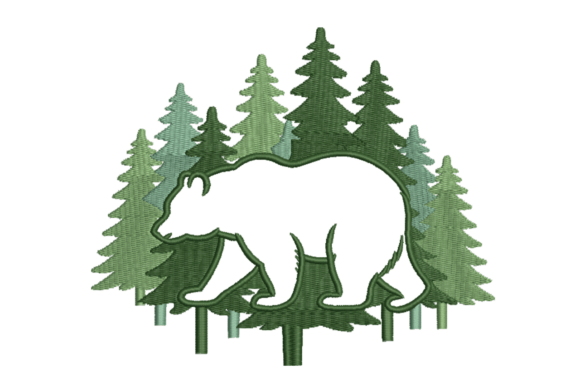
The title Bear in Forest Scene suggests a narrative element rather than a simple icon. In the world of handmade products, storytelling sells. Buyers at craft fairs are not just purchasing an object; they are buying a feeling of warmth, nostalgia, and connection to nature. This design likely features a bear surrounded by trees, foliage, or perhaps a cabin-like atmosphere, which fits perfectly into the current trend of farmhouse and rustic decor. From a branding perspective, this aesthetic appeals strongly to customers who value artisanal quality and whimsical charm.
For an Etsy seller or boutique maker, this design offers high versatility. It is neither too aggressive nor too subtle. It strikes a balance that works well for gifts, particularly during the autumn and winter seasons when shoppers look for items that evoke comfort. The visual weight of a bear character usually commands attention, making it an excellent focal point for larger items where the detail can be appreciated from a distance.
Product Application: Where Does It Shine?
To maximize the potential of the Bear in Forest Scene embroidery file, we need to consider which handmade product categories will best showcase its strengths. Not every design works on every surface, and choosing the right canvas is half the battle in retail success.
- Tote Bag Design: This is perhaps the strongest candidate. A sturdy canvas tote bag provides a large, flat surface area that allows the forest scene to breathe. Customers love functional art, and a tote featuring this design feels like a premium accessory. Ensure you use a heavy-duty stabilizer to prevent puckering, as totes endure significant stress.
- Apron Embroidery: For the kitchen or garden enthusiast, an apron featuring this motif adds a touch of personality. The chest area of an apron is ideal for a medium-sized rendition of the scene. It pairs beautifully with linen or denim fabrics, enhancing the rustic appeal.
- Tea Towel Embroidery: Kitchen linens are impulse-buy staples at craft fairs. If the design is scaled appropriately, it looks charming on a flour sack towel. However, be mindful of the fabric texture; terry cloth or highly textured towels can obscure fine details.
- Embroidered Patch: Creating a patch version of the Bear in Forest Scene is a smart move. Patches can be ironed or sewn onto jeans, backpacks, and hats, expanding your reach beyond soft goods. They also serve as excellent booth samples to demonstrate the design's clarity.
- Pillow Covers and Small Pouches: For smaller price points, a decorative pillow cover or a zippered pouch featuring this design can attract budget-conscious buyers. These items feel luxurious yet affordable, especially when paired with high-quality thread colors.
Production Realities and Technical Considerations
Before committing to batch production, any savvy commercial embroidery entrepreneur must address the technical nuances of the design. The transition from screen to fabric is where many designs fail. Here are critical factors to evaluate when working with Bear in Forest Scene.
Stitch Density and Detail Clarity
Bear characters often involve dense areas for fur texture and facial features. If the stitch density is too high, the fabric may pucker, ruining the drape of a tote bag or the fit of a cap. Conversely, if the design relies on tiny details or thin lines, those elements may disappear entirely when embroidered on textured fabrics like wool or thick cotton. I always recommend testing the design on scrap fabric that matches the final product material. Look closely at the eyes and nose of the bear; these are the focal points that draw the customer in. If they lack definition, the design loses its emotional impact.
Fabric Texture and Thread Contrast
The choice of fabric color is paramount. Dark fabrics can make light-colored threads vanish, while very light fabrics might show every imperfection in the stitching. Neutral tones like cream, beige, olive green, or navy blue tend to work best with forest-themed designs, allowing the thread colors to pop without clashing. Always check the contrast ratio before starting a large run. Additionally, textured fabrics such as waffle weave tea towels can hide intricate stitch patterns, so simpler versions of the design might be necessary for those specific items.
Hoop Size and Placement
Confirming the correct hoop size is essential for maintaining the integrity of the image. If the design exceeds standard hoop dimensions, you may need to rehoop, which introduces alignment risks. For curved surfaces like baseball caps, ensure the design is digitized specifically for curvature or use a specialized cap frame. Flat surfaces like aprons and tote bags offer more flexibility, but consistent placement is key to maintaining a professional brand appearance.
Selling Strategy and Booth Display
When setting up your display, the Bear in Forest Scene should be positioned to catch the eye. Use it on your largest, most visually appealing items first. A tote bag hanging prominently or an apron draped over a mannequin will draw people in. Create a cohesive story by grouping similar items together—perhaps a tea towel next to an apron, both featuring variations of the same woodland theme.
Photography plays a huge role in online sales as well. Take clear, well-lit photos of the finished product. Show close-ups of the stitching quality to prove the value. If you are selling a digital embroidery file, provide printable mockups that show the design on various products, helping buyers visualize the end result. Transparency about what the buyer receives (file only vs. finished good) builds trust and reduces returns.
Final Verdict and Best Practices
The Bear in Forest Scene holds strong potential as a bestseller for craft fairs and online shops, provided it is executed with care. Its rustic charm aligns perfectly with current consumer preferences for handmade, nature-inspired goods. To ensure success:
- Test Thoroughly: Never skip the scrap fabric test. Check for puckering, thread breaks, and detail loss.
- Verify Licensing: Before selling any finished product, confirm the commercial licensing terms of the design asset. Unauthorized commercial use can lead to serious legal issues.
- Optimize for Production: Choose the right stabilizer for each fabric type to ensure durability and a clean finish.
- Diversify Products: Don’t limit yourself to one item type. Offer the design on totes, patches, and home decor to capture different segments of the market.
By treating the Bear in Forest Scene with the respect it deserves in the production phase, you can create a line of high-quality small shop products that resonate with buyers and drive sales. It is a design that promises warmth and whimsy, two ingredients that are always in demand at the craft fair table.