Sewing Machine Monogram: A Designer’s Review for Craft Fair Success
As an experienced embroidery designer who spends weekends setting up booths at local craft fairs and managing a busy handmade shop, I know that the difference between a design that sits on the table and one that sells out by noon often comes down to two things: visual impact and production practicality. When I first encountered the Sewing Machine Monogram, my immediate reaction was one of cautious optimism. It is not just another generic initial; it carries a specific narrative that resonates deeply with our core demographic. This review breaks down why this Sewing Machine Monogram deserves a spot in your digital library and how it can elevate your craft fair product lineup.
First Impressions and Visual Appeal
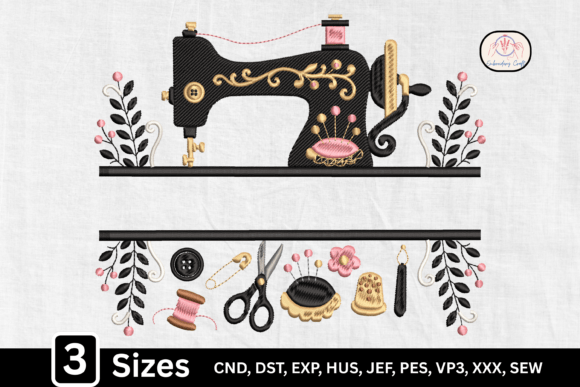
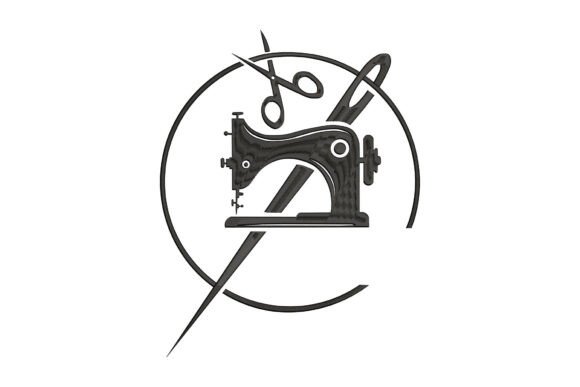
The title suggests a blend of nostalgia and personalization. In the world of embroidery, monograms are staples, but they can easily become boring if they lack character. The Sewing Machine Monogram solves this by integrating a recognizable icon—the vintage or modern sewing machine—into the typographic structure. From a design perspective, this feels elegant yet approachable. It strikes a balance between farmhouse charm and modern minimalism.
When you pull up the embroidery file on your screen, look closely at the stitch density. Does the machine graphic hold its shape, or does it look like a muddy blob? For a design to work as a tote bag design or an apron embroidery accent, it must be legible from three feet away. This particular design appears to have clean lines that translate well to thread. It avoids overly intricate lace-like details that might get lost in fabric texture, making it a smart choice for high-volume production. The aesthetic is versatile enough to fit into boutique maker collections that focus on home decor, personal gifts, and sewing enthusiast merchandise.
Product Applications and Market Fit
So, where does this Sewing Machine Monogram shine brightest on the booth table? Based on current trends among Etsy sellers and handmade market attendees, here are the top performers:
- Tote Bags and Market Bags: This is perhaps the strongest application. A canvas tote featuring a centered or pocket-placed Sewing Machine Monogram appeals directly to the target audience—people who sew. It is functional, stylish, and serves as a walking advertisement for the brand.
- Kitchen Towels and Tea Towels: For tea towel embroidery, this design works beautifully as a small, focal accent. It adds a touch of personality to kitchen linens without overwhelming the space. These items are low-cost impulse buys, perfect for clearing inventory quickly.
- Caps and Hats: Embroidering a cap requires precision. The Sewing Machine Monogram is compact enough to fit on a standard 5x7 hoop area without crowding the curve. It looks professional and adds a "maker" vibe that is highly sought after by creative entrepreneurs.
- Patches and Pouches: Turn this design into an embroidered patch for denim jackets or backpacks. Alternatively, use it on small fabric pouches meant for storing needles, threads, or scissors. These small shop products have high perceived value because they solve a storage problem while looking decorative.
- Pillow Covers and Home Decor: For larger items like cushion covers, the design can be scaled up slightly to serve as a statement piece. It fits perfectly within the table linens and home accent category, appealing to buyers looking for coordinated gift sets.
Production Practicality and Batch Efficiency
For any commercial embroidery business, time is money. You need designs that run efficiently without constant trimming or re-hooping. The Sewing Machine Monogram appears to be optimized for standard hoop sizes, which means you can set up your multi-head machines or single-needle home embroiderers with confidence.
One of the key selling points for this design is its repeatability. Because it relies on clear shapes rather than complex shading, it produces consistently across different runs. This consistency is crucial for maintaining brand consistency. When customers see uniform quality in your finished product, trust increases, and repeat purchases follow. Furthermore, the design photographs exceptionally well. The contrast between the thread colors and the fabric creates depth in images, which is vital for your printable mockup strategy and online listings. High-quality visuals drive clicks, and this design delivers visual interest without requiring excessive post-processing.
Careful-Use Notes and Technical Considerations
While the Sewing Machine Monogram is robust, no design is flawless. As a designer, I advise you to pay attention to the following technical aspects before mass production:
- Stitch Density: Check the stitch density in the center of the machine graphic. If the stitches are too dense, the fabric may pucker, especially on lightweight cottons. If it is too sparse, the background fabric may show through. Test on scrap fabric to find the sweet spot.
- Fabric Texture: Be mindful of fabric texture. On heavily textured materials like burlap or thick terry cloth towels, fine details in the monogram may disappear. Stick to smooth weaves like canvas, linen, or standard cotton twill for the best clarity.
- Thread Contrast: Choose thread colors that contrast sharply with your base fabric. Black thread on navy blue might look elegant in person but can fail in photos. White or light gray thread on dark fabrics often pops better for intricate designs.
- Hoop Size and Stabilizer: Always confirm the recommended hoop size for this digital embroidery file. Use the appropriate stabilizer to prevent shifting. Cut-away stabilizers are generally safer for woven bags and caps, while tear-away works well for stable knits and towels.
- Small Lettering: If the monogram includes initials, ensure the font size is large enough to remain legible. Tiny lettering can become illegible once stitched, turning a premium item into a flawed one.
Final Verdict for Sellers
The Sewing Machine Monogram is more than just a pretty picture; it is a strategic asset for your handmade product catalog. It taps into the emotional connection people have with crafting and home-making. By offering this design on high-demand items like totes, aprons, and patches, you are providing value that resonates with your buyer’s identity.
To maximize success, create at least one real mockup using actual fabric and thread before listing it digitally. Compare different fabric colors to see which combination yields the highest visual appeal. Ensure you have confirmed commercial licensing for the design assets so you can sell your finished product without legal concerns. With careful preparation and attention to detail, the Sewing Machine Monogram can become a bestseller in your booth and a staple in your small shop product offerings.