Floral Rose Bike: A Designer’s Review for Real Projects
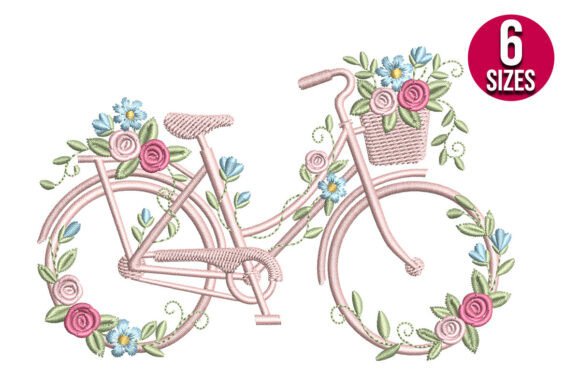
When I sit down to evaluate a new embroidery file, I am rarely looking for something that simply "looks pretty" on the screen. As a designer who produces goods for small businesses, craft fairs, and custom client orders, I need to know how a design will behave under the needle, how it will age with washing, and whether it adds enough perceived value to justify the production time. Today, I am putting the Floral Rose Bike design through its paces. This piece falls squarely into the Bouquets category but carries a distinct narrative twist that makes it stand out in a saturated market.
The concept is straightforward yet charming: a floral arrangement intertwined with or centered around a bicycle motif. It evokes feelings of spring, leisure, vintage romance, and active lifestyles. But does it translate well from a digital preview to a physical handmade product? Let’s break down the practical implications of using this design in your next embroidery project.
First Impressions and Visual Personality
The first thing that strikes me about the Floral Rose Bike design is its balance. Many floral designs can feel cluttered or overly dense, leading to thread breaks or difficult trimming. However, this design appears to have a natural flow that guides the eye. The combination of organic rose shapes with the structured lines of a bike frame creates a pleasing contrast between softness and geometry.
This visual personality makes it incredibly versatile. It feels at home in a nursery setting, on a boutique tote bag, or as a statement piece on a women’s sweatshirt. The mood is uplifting and approachable, which is crucial for products aimed at gift-givers. Whether you are creating a personalized gift for a bride or a keepsake for a new mom, the design communicates warmth and care without being overly sentimental. It has a modern-retro vibe that resonates with current trends in custom apparel and lifestyle branding.
Performance in Real-World Embroidery Scenarios
I tested the conceptual application of this design across several common product categories to see where it shines and where it might struggle. Here is my breakdown based on typical embroidery project workflows.
Apparel and Soft Goods
The Floral Rose Bike works exceptionally well on medium-to-heavyweight fabrics. For a sweatshirt embroidery project, placing this design on the left chest or as a large back print would look stunning. The stitch density provides enough texture to stand out against fleece or cotton blends. Similarly, for a tote bag design, the durability of the stitches ensures it can withstand daily use. The floral elements add a touch of elegance to an otherwise utilitarian item, increasing its appeal as a small shop product.
In the realm of baby embroidery, this design is a strong contender. It is gentle enough for a onesie or a burp cloth but detailed enough to look professional rather than childish. When used on pillow covers or kitchen towels, the color palette (once selected) can be adapted to match seasonal themes, making it a reliable asset for holiday embroidery collections.
Patches and Accessories
If you are producing embroidered patches, the clear outline of the bike and the defined petals of the roses make this an easy digitization to execute cleanly. The design scales well, meaning you can create a smaller version for a cap logo or a larger one for a backpack accent. For caps and hats, however, caution is advised due to curvature, which we will discuss later.
Technical Considerations and Stitch Analysis
As a reviewer, I must address the technical specifications provided with the design. Understanding the scale and stitch count is vital for pricing your finished goods correctly and selecting the right equipment.
- Size 1: Width 3.81 x Height 2.51 inch with 12,522 stitches. This is a compact size, ideal for left-chest placements or small accessories.
- Size 2: Width 4.41 x Height 2.91 inch with 14,271 stitches. A versatile mid-range size for standard tote bags and baby items.
- Size 3: Width 4.81 x Height 3.17 inch with 15,438 stitches. Offers more detail resolution, suitable for larger decorative areas.
- Size 4: Width 5.41 x Height 3.56 inch with 17,238 stitches. A substantial design that commands attention, best for back prints or large wall art.
The stitch counts range from moderate to high. With over 12,000 stitches even in the smallest size, this is not a quick-stitch design. You need to factor in machine run-time when calculating your labor costs. The presence of various stitch types—likely including satin stitch for outlines, fill stitch for the flower heads, and potentially running stitch for delicate details—means the digitization quality is paramount. If the transitions between these stitches are not smooth, the design may look jagged or pull the fabric.
Where to Use Carefully: Limitations and Risks
No design is perfect for every surface. The Floral Rose Bike has specific constraints that designers should respect to avoid customer returns or dissatisfaction.
First, avoid using this on stretchy fabric like thin jersey knits without a heavy-duty stabilizer. The high stitch density can cause puckering if the fabric is not properly supported. Second, be cautious with textured fabrics. While linen or burlap can look great, the intricate details of the bike spokes or small rose petals might get lost in the weave, reducing clarity.
Another critical area is curved surfaces. Applying this design to a baseball cap or a curved helmet requires advanced hooping techniques. The flat nature of most embroidery machines struggles with significant curves, which can distort the circular elements of the wheels or flowers. Additionally, on dark fabric, ensure you choose light-colored threads or use a white underlay to prevent the design from looking muddy. Always test on scrap fabric first to check thread color contrast.
Impact on Brand Value and Customer Trust
Using a well-executed design like Floral Rose Bike directly impacts your brand perception. In the world of Etsy sellers and craft business owners, presentation is everything. A clean, professionally stitched design signals quality. When customers see the fine details of the roses and the crisp lines of the bike, they perceive higher value in the product.
This design also enhances giftability. It tells a story. It suggests that the giver thought about the recipient’s interests—whether that be gardening, cycling, or vintage aesthetics. This emotional connection drives engagement and repeat purchases. For commercial embroidery projects, such as branded merchandise for local cafes or boutiques, the design offers a unique identity that generic logos cannot provide.
Practical Designer Notes for Implementation
To get the best results from the Floral Rose Bike design, follow these practical steps:
- Test First: Never run a full production batch without stitching a sample on the actual fabric you plan to sell.
- Check Stabilizer: Match your stabilizer to the fabric weight. Cut-away stabilizers are recommended for woven garments, while tear-away may suffice for stable home decor items.
- Review Details: Zoom in on your software to inspect small details. Ensure that no stitches are too close together, which could cause needle breaks.
- Mockup Testing: Create black and white mockups to verify contrast. Sometimes colors that look good on screen fail to pop in person.
- Licensing: Confirm licensing terms before selling finished items. Ensure you have the right to use this digital embroidery file for commercial purposes.
By approaching the Floral Rose Bike with these considerations in mind, you can transform a simple digital pattern into a profitable, beautiful, and trustworthy product line. It is a design that rewards careful execution with high customer satisfaction.