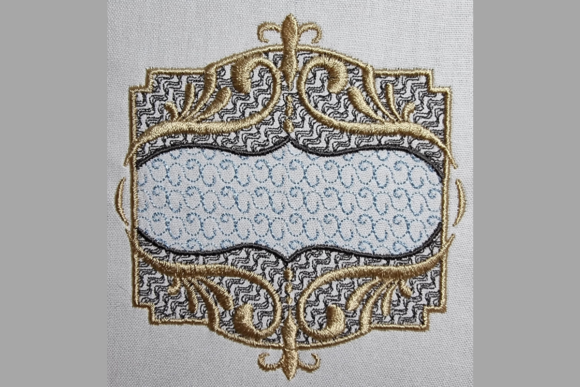
Reviewing the Decorative Motif Frame for Real Embroidery Projects
As a designer who spends more time looking at stitch density and fabric grain than I do drinking coffee, I am always skeptical when I see a new design labeled simply as a "background." In my experience, backgrounds are often an afterthought—lazy fill stitches that add bulk without adding value. However, when I first pulled up the Decorative Motif Frame, I paused. It didn’t look like a filler; it looked like a foundation. This is a vintage decorative motif frame that promises to be a nice addition to monograms, text, and other complex designs. But does it hold up in the hoop? Can it survive the rigors of a busy craft business or a high-end boutique order? Let’s dig into the practical reality of using this embroidery file in real-world scenarios.
First Impressions: Mood and Visual Personality
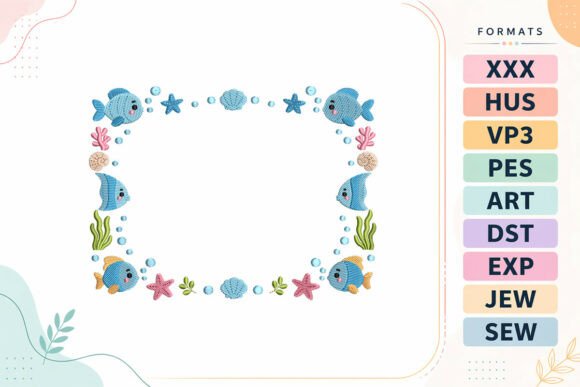
The immediate vibe of the Decorative Motif Frame is one of refined nostalgia. It doesn’t scream for attention with loud, modern geometric shapes. Instead, it whispers elegance. The layout feels balanced, offering a structured border that naturally draws the eye inward toward whatever sits inside it. For designers, this is crucial. A good background should frame the subject, not compete with it. The detail level is sophisticated enough to suggest quality but open enough to allow room for your primary focal point, whether that is a custom name, a logo, or a central graphic.
I found myself immediately thinking about how this would interact with different thread colors. Because it is a frame, it likely relies on a mix of satin stitch for definition and perhaps some lighter fill or running stitch elements to keep the weight down. The visual personality is versatile—it can feel romantic on a baby item, classic on a corporate gift, or rustic on a handmade apron, depending entirely on the thread choice. It creates a mood of permanence and care, which is exactly what you want when you are selling a personalized gift.
Real-World Application: From Sketch to Stitched Product
Let’s talk about actual use cases. I recently had a client request a series of custom embroidered tote bags for a small local bakery. They wanted something that felt premium but not overly ornate. I tested the Decorative Motif Frame around their logo. The result was striking. The frame provided a clean boundary that made the logo pop, giving the final product a professional, branded look that elevated it from a simple canvas bag to a piece of merchandise worth paying full price for.
This design also shines in the realm of apparel. Imagine a crewneck sweatshirt where the client wants their initials in a bold script, centered within this vintage frame. The frame acts as a smoothing frame for pile nap if you are working with fleece or heavier cotton blends, helping to organize the visual space so the embroidery doesn’t get lost in the texture of the garment. Similarly, for custom apparel like t-shirts or hats, the frame adds a layer of complexity that makes the design feel substantial. It transforms a basic placement embroidery into a composed artwork.
I also envision this being highly effective for home decor items. A pillow cover featuring a family name inside this frame feels like a heirloom piece. A kitchen towel with a seasonal greeting framed by these motifs brings a touch of warmth to any home. For Etsy sellers and small shop owners, this versatility is gold. You can create a cohesive collection of products—mugs, towels, shirts—all tied together by the consistent aesthetic of this background element.
Where to Use It Carefully: Potential Pitfalls
No design is perfect for every situation, and as a reviewer, I need to highlight where the Decorative Motif Frame might struggle. First, consider scale. If you are working with a very small hoop size, such as 4x4 inches, and trying to fit intricate lettering inside this frame, you might run into issues with clarity. The details of the motif could become muddy if the overall design is too cramped. Always test your design in black and white mockups to ensure the contrast holds up at smaller sizes.
Fabric choice is another critical factor. While this frame works beautifully on stable fabrics like cotton canvas or denim, it may present challenges on stretchy knits or thin, sheer materials. On stretchy fabric, the tension of the frame’s stitches could cause puckering if not stabilized properly. On dark fabrics, you will need to choose your thread colors wisely; a light-colored frame on a black shirt might require excessive underlay or multiple passes, increasing stitching time and potential thread breakage. Additionally, if you are planning to wash these items frequently, such as work aprons or children’s clothing, ensure that the stitch density is robust enough to withstand repeated laundering without fraying or losing shape.
Technical Considerations for Designers
- Stabilizer Selection: Because this is a background element that may surround other designs, proper stabilization is key. A cut-away stabilizer is often recommended for frames that need to maintain their shape over time, especially on garments.
- Thread Contrast: Experiment with metallic threads for a luxurious look on formal wear, or stick to matte cottons for a rustic, handmade feel. The right thread color can make or break the vintage aesthetic.
- Hoop Size Verification: Before committing to a large production run, confirm the exact hoop size requirements. Ensure that the design fits comfortably within your machine’s capabilities without requiring unnecessary re-hooping.
Impact on Brand Value and Customer Trust
In the world of handmade products and commercial embroidery, presentation is everything. Customers often judge the quality of a product by the neatness and intentionality of the embroidery. A sloppy background can make even a beautiful central design look amateurish. The Decorative Motif Frame, by virtue of its structured and intentional design, signals professionalism. It suggests that the maker put thought into the composition. This builds customer trust and enhances the perceived value of the finished product.
For digital product sellers, this frame is also a valuable asset. It can be used in printable mockups to showcase how a design looks when framed, helping buyers visualize the final outcome. It serves as a design asset that adds depth to your portfolio, allowing you to offer more comprehensive solutions to clients who need both the main design and the supporting elements.
Final Verdict
The Decorative Motif Frame is a thoughtful, versatile addition to any embroidery library. It excels in creating elegant, professional-looking backgrounds for monograms, logos, and text. Its vintage charm adds character to a wide range of projects, from holiday embroidery gifts to everyday craft business items. However, success depends on careful execution. Test it on scrap fabric, pay attention to thread contrast, and ensure your stabilizer and hoop size choices align with the project’s demands.
If you are looking to elevate your handmade product line or add a touch of sophistication to your digital embroidery files, this frame is worth the investment. Just remember to check the specific technical details—like stitch count and file format compatibility—before integrating it into your workflow. When used correctly, it transforms simple embroidery into a polished, marketable work of art.