Celtic Cat Embroidery Design Review
As an embroidery designer who spends weekends navigating the hustle of craft fairs and managing a handmade shop, I know that not every digital file translates into a bestseller. The gap between a cute design on a screen and a product that stops a browser in their tracks is often determined by practical execution. Today, I am reviewing the Celtic Cat embroidery design to determine its viability for commercial production. This piece promises a subtle touch of charm, but does it have the punch needed to compete in a crowded market? Let’s break down how this design performs as a physical product.
First Impressions: Charm Meets Craftsmanship
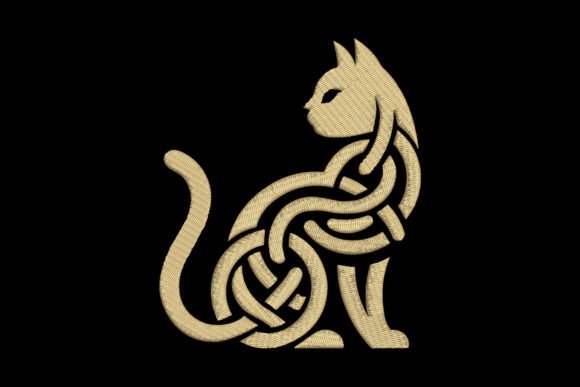
The title Celtic Cat immediately suggests a fusion of heritage patterns with modern pet affection. Based on the description, which emphasizes a "subtle touch of charm," this design likely leans toward elegant rather than loud or cartoonish. In the world of handmade products, subtlety can be a double-edged sword. It risks being overlooked at a distance, yet it appeals to buyers looking for sophistication over novelty.
For a booth display, this aesthetic works well if positioned correctly. It feels appropriate for farmhouse decor lovers, cat enthusiasts who prefer artistic representation over literal photos, and customers seeking unique gifts. The interplay of Celtic knots with feline silhouettes creates a visual rhythm that draws the eye slowly, encouraging closer inspection—a crucial factor for engagement at a busy fair.
Product Application: Where Celtic Cat Shines
Not all embroidery files are created equal when it comes to versatility. Here is how the Celtic Cat design translates across various crafter fair product categories:
- Tote Bags: A tote bag design is often the bread and butter of any maker. The intricate nature of Celtic knots pairs beautifully with canvas or cotton duck fabric. The design adds a premium feel, elevating a standard accessory into a statement piece. It photographs exceptionally well against neutral backgrounds, making it ideal for Etsy listings.
- Kitchen Linens: Tea towel embroidery is a high-volume seller. If the design allows for smaller sizing without losing detail, it fits perfectly on kitchen towels. The repetitive geometric elements of Celtic art complement the utility of a towel, adding a touch of whimsy to daily routines.
- Home Décor: Stitching this onto pillow covers or small cushions allows the design to breathe. The softness of home textiles contrasts nicely with the structured lines of the knotwork. This creates a tactile experience that online shoppers cannot replicate, giving your handmade product a competitive edge.
- Apparel and Accessories: On aprons, this design serves as a focal point on the bib area. For caps, caution is advised due to curvature, but a centered placement can look striking. Small pouches benefit from the compact nature of the motif, turning a simple storage item into a gift-ready object.
Production Practicality and Visual Impact
When evaluating a machine embroidery design for batch production, clarity is king. The Celtic Cat must hold up under scrutiny. At a craft fair, customers glance at items from three feet away. Does the design read clearly? If the lines are too thin, they may disappear into the fabric texture. However, if the contrast is strong, the interlocking shapes create a bold graphic effect that demands attention.
From a branding perspective, this design supports a cohesive identity. It signals quality and attention to detail. When a buyer sees the precision of the stitching, they perceive higher value in the finished product. This perception allows for better pricing power, moving beyond commodity-level sales into boutique territory. Furthermore, the design’s thematic blend of cats and Celtic art taps into two passionate niches, broadening your potential customer base without diluting your brand message.
Photography and Mockups
In the digital age, your printable mockup is just as important as the physical item. The Celtic Cat lends itself well to lifestyle photography. Imagine it on a rustic wooden table next to coffee beans, or hanging on a linen curtain. These visuals tell a story. Ensure your mockups highlight the thread texture and color depth, as these are key selling points for digital sellers and physical makers alike.
Technical Considerations for Success
Before committing to a large run, several technical factors must be addressed to ensure the commercial embroidery process runs smoothly.
- Stitch Density and Clarity: Examine the stitch density closely. Celtic designs often involve dense fills. If the density is too high, the fabric may pucker, especially on lightweight materials like tea towels. Conversely, if the lines are too sparse, the intricate details may merge together. Test the design at various scales to find the sweet spot where detail remains visible.
- Fabric Compatibility: The choice of fabric texture is critical. Smooth cottons and linens provide the best canvas for fine details. Avoid highly textured fabrics like bouclé or heavy wools unless you have tested them extensively. Dark fabrics require careful thread colors selection; a light background thread or a contrasting dark thread will make the design pop, whereas a similar tone might get lost.
- Hoop Size and Stabilizer: Confirm the recommended hoop size for the design. Using the correct stabilizer is non-negotiable. For tote bags, a cut-away stabilizer provides long-term stability. For towels, a tear-away may suffice, but test for pull compensation. Incorrect stabilization leads to misalignment and wasted time.
- Small Details: Be wary of tiny details that may vanish when embroidered on curved surfaces like caps or small patches. If the design includes lettering or very fine knots, verify that these elements remain distinct after stitching. Loss of clarity here can turn a premium item into a defect.
Final Verdict for Makers
The Celtic Cat embroidery design holds significant promise for Etsy sellers and craft fair vendors. Its appeal lies in its balance of tradition and trendiness. It is versatile enough for home goods yet distinct enough to stand out in a sea of generic animal motifs. By paying close attention to fabric choices, thread contrast, and production quality, you can transform this embroidery design into a top-performing SKU.
Remember to always test on scrap fabric first. Create at least one real mockup to assess how the design assets interact with your specific materials. Check your commercial licensing terms to ensure you are cleared to sell finished goods. With careful preparation, this charming feline companion can become a staple in your small shop product lineup, delighting cat lovers and craft enthusiasts alike.