Goat and Sheep Friends Review
As a designer who spends more time than I care to admit staring at stitch density charts and testing thread tension, I approach every new embroidery file with a mix of optimism and skepticism. We have all seen designs that look perfect on the screen but fall apart under the needle. Today, I am putting Goat and Sheep Friends through its paces. This design falls squarely into the Farm Animals category, but don’t let the simple classification fool you. The potential for this piece in real-world applications is significant, provided we understand exactly what we are working with.
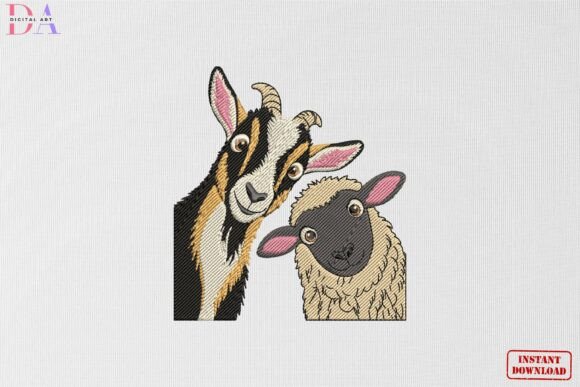
The core appeal of Goat and Sheep Friends lies in its expressive cartoon style details. It is not trying to be a hyper-realistic portrait of livestock; it is aiming for charm. For those of us creating handmade products, that distinction is everything. A realistic farm animal can sometimes feel heavy or rustic in a way that limits its market. This design, however, feels light, playful, and universally appealing. It has a visual personality that says "whimsical" without screaming for attention. That subtlety is what makes it a strong candidate for high-end boutique branding or delicate nursery decor.
Real-World Application: The Custom Tote Bag Scenario
To truly evaluate any machine embroidery design, I need to imagine it on a physical object. Let’s take a hypothetical scenario: preparing a custom embroidered tote bag for an Etsy seller who specializes in organic cotton goods. Imagine placing Goat and Sheep Friends centered on a natural, unbleached canvas tote. The contrast between the earthy fabric texture and the bright, cheerful characters would likely pop beautifully.
However, placement matters. If this were a small shop product intended for a younger demographic, perhaps a child’s backpack or a baby onesie, the layout needs to be scrutinized. The two characters standing side-by-side create a balanced horizontal composition. This works exceptionally well for wider items like sweatshirt embroidery on the chest or a large pocket detail. But if you are looking to use this as an embroidered patch for a cap, the width might be too expansive for a standard front panel unless you scale it down significantly. Scaling is where many designers trip up; reducing a complex cartoon design too much can cause the finer details to merge into a muddy blob.
Stitch Quality and Clarity
When reviewing the technical execution, the first thing I notice is the balance between the satin stitch outlines and the fill stitches. The goat’s horns and the sheep’s wool require different textural approaches. In Goat and Sheep Friends, the artist has used a lighter touch on the sheep, likely utilizing a dense fill stitch to simulate fluffiness, while the goat relies more on clean lines and running stitch accents for facial features. This variation adds depth.
For the crafter or the commercial embroidery user, this means you need to pay attention to your stabilizer. Because there are both dense areas and open spaces, using a cut-away stabilizer is non-negotiable if you want the finished product to maintain its shape over time, especially if the item will undergo frequent washing. A tear-away might suffice for a one-time gift, but for a craft business item meant to last, stability is key. I always advise testing the design on scrap fabric first. Check how the thread colors interact. Does the white of the sheep get lost against a light background? Does the dark outline of the goat disappear on black fabric? These are the questions that separate a good design from a great one.
Where Caution Is Required
No design is perfect for every surface. There are specific scenarios where Goat and Sheep Friends should be used carefully. First, consider textured fabrics. While the design looks lovely on smooth cotton or linen, attempting to embroider this on a heavily textured bouclé or a thick fleece could obscure the charming details. The needle penetration might struggle, leading to skipped stitches or distorted shapes.
Another area of concern is stretchy fabric. If you are planning to put this on a jersey knit t-shirt or a stretchy hat, you must use a stabilizer that can handle the movement. Without proper support, the satin stitch edges may pucker, ruining the clean cartoon aesthetic. Additionally, avoid placing this design on curved surfaces like the brim of a cap unless you have extensive experience with 3D embroidery techniques. The flat, two-dimensional nature of the character interaction might look distorted when wrapped around a curve.
Also, think about the end-user. If this is a personalized gift for a toddler, ensure the design does not have tiny, loose threads that could pose a snagging hazard. While cartoon styles are generally safe, intricate running stitches can sometimes unravel if not trimmed properly. Always inspect small details after stitching to ensure durability.
Visual Appeal and Brand Consistency
From a marketing perspective, Goat and Sheep Friends is a powerhouse. It evokes feelings of friendship, innocence, and rural simplicity. This emotional connection is what drives sales in the personalized gift market. Parents love buying items that tell a story, and two friends sharing a moment is a story everyone understands.
For the Etsy seller or the owner of a small shop product line, consistency is vital. This design fits seamlessly into a broader collection of pastoral or nursery-themed items. It pairs well with other elements like wooden fences, wildflowers, or barn silhouettes. When creating printable mockups for your digital product previews, try placing this design alongside complementary patterns. You will find that the cartoon style acts as a focal point without overpowering the rest of the composition.
Furthermore, consider the versatility of the color palette. Although the default thread colors are likely vibrant, the design’s structure allows for creative reinterpretation. You could swap bright blues for pastel pinks for a baby shower theme, or use monochromatic threads for a sophisticated, modern look. This adaptability increases the value of the digital embroidery file because it encourages creativity rather than limiting the user to one specific outcome.
Practical Designer Notes for Success
If you decide to incorporate Goat and Sheep Friends into your workflow, here is my checklist for ensuring professional results:
- Test on Scrap Fabric: Never go straight to your final project material. Test the stitch density and tension on a similar fabric type first.
- Check Hoop Size: Ensure your machine’s hoop is large enough to accommodate the full width of the two characters without awkward re-hooping, which can misalign the design.
- Review Stitch Density: Look closely at the fill areas. If they seem too dense, you may need to adjust the pull compensation settings on your machine to prevent puckering.
- Inspect Small Details: Zoom in on the digital file. Are the eyes clear? Are the hooves distinct? If details are too small, consider scaling up slightly for better clarity.
- Confirm Licensing: Before selling finished items or using this in a commercial embroidery campaign, verify the license terms. Some files are for personal use only, while others allow commercial sales with attribution.
- Black and White Mockup: View the design in grayscale. This helps you assess the contrast and balance without being distracted by color choices.
In conclusion, Goat and Sheep Friends is a delightful addition to any embroidery library. It balances artistic charm with practical applicability. Whether you are making a holiday gift for family or stocking your shelves for the spring craft fair season, this design offers a reliable foundation for creating beautiful, heartfelt projects. Just remember to respect the fabric, prepare your stabilizer, and always prioritize quality control. When executed well, the result is not just an embroidered image, but a tangible piece of joy that customers will cherish.