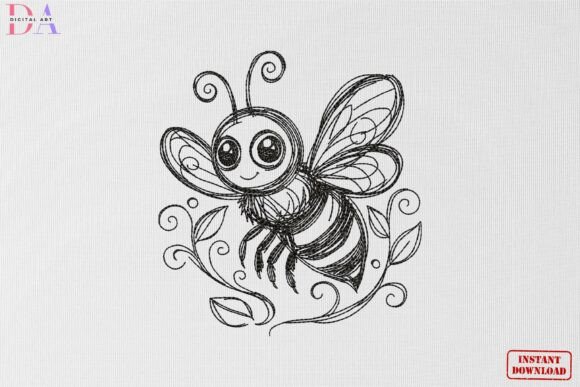
Cute Bee Sketch Nature Animal Art Review
As an embroidery designer who spends weekends setting up booths at local craft fairs and managing a small online shop, I know that the difference between a design that sits on the shelf and one that flies off it often comes down to visual clarity and emotional appeal. When I first encountered the Cute Bee Sketch Nature Animal Art file, my immediate reaction was one of cautious optimism. The title suggests a charming, nature-inspired aesthetic that fits perfectly into the current trend of cottagecore and rustic-modern home decor. But does it translate well from a digital screen to a physical product? More importantly, will it drive sales for a busy artisan?
First Impressions: Aesthetic and Market Fit
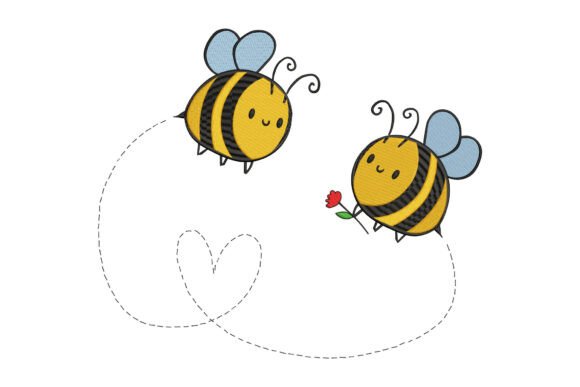
The description highlights "detailed hand drawn wings" and positions the artwork as adorable bee embroidery artwork designed for lovers of handmade crafts. This is a strong starting point. In the world of machine embroidery design, "sketch" styles often imply a looser, more artistic feel compared to rigid geometric patterns. For a craft fair product, this softness is crucial because it feels human-made rather than mass-produced.
Visually, this design likely strikes a balance between cute and sophisticated. It avoids being overly childish, which makes it versatile enough for adult buyers looking for unique gifts or personal accessories. The natural theme aligns with the growing demand for eco-conscious and nature-positive decor. If you are an Etsy seller or a boutique maker, this design offers a premium look that can elevate simple items like tote bags or tea towels into special keepsakes.
Product Versatility and Display Potential
One of the biggest challenges in preparing for a market day is deciding what products to bring. You want items that are easy to display but also have high perceived value. Here is how Cute Bee Sketch Nature Animal Art performs across various handmade product categories:
- Tote Bag Design: A large tote bag provides ample canvas for the detailed wings mentioned in the description. Placing the bee centrally or slightly off-center creates a focal point that catches the eye from a distance. The sketch style adds character to standard canvas bags, making them stand out against generic printed alternatives.
- Apron Embroidery: Kitchen aprons are evergreen sellers. A bee motif works beautifully here, symbolizing industry and sweetness. Because the design features fine details, placing it on the chest pocket or just above the bib area allows the intricate wing patterns to be appreciated without overwhelming the garment.
- Tea Towel Embroidery: Linen or cotton tea towels offer a textured background that complements the sketch aesthetic. The slight roughness of the fabric can enhance the hand-drawn feel of the bee, giving the finished product a rustic, farmhouse charm that appeals to home cooks and decorators alike.
- Embroidered Patch: Converting this design into a patch is a smart move for quick sales. Patches allow customers to personalize hats, backpacks, or jackets. However, ensure the design scales well when reduced; if the wings become too thin, they may lose definition.
- Fabric Pouches and Pillow Covers: Small pouches benefit from concentrated detail, while larger pillow covers allow the bee to breathe. These items serve as excellent commercial embroidery pieces for boutique displays, offering higher price points due to their decorative nature.
Photography and Online Listings
In the digital age, your printable mockup is your best salesperson. The Cute Bee Sketch Nature Animal Art lends itself well to flat-lay photography. Pair the embroidered item with natural elements like dried flowers, honey jars, or wooden surfaces to reinforce the nature theme. The contrast between the delicate lines of the bee and the texture of the fabric will photograph beautifully, helping potential buyers visualize the quality of the work.
Production Practicalities and Technical Considerations
Before committing to bulk production for a weekend fair, every designer must evaluate the technical aspects of the embroidery file. The mention of "detailed hand drawn wings" raises specific concerns regarding stitch density and stability.
Stitch Density and Clarity: Fine details can get lost if the stitch density is too low, resulting in gaps, or too high, causing the fabric to pucker. You must inspect the digitization to ensure the wings have enough fill stitches to appear solid yet airy. If the design includes tiny text or very thin outlines, test it carefully. Tiny details often blur together, especially on curved surfaces.
Fabric and Stabilizer Choices: The choice of fabric significantly impacts the final look. On dark fabrics, thread contrast becomes critical; light threads might disappear into the weave unless a dense underlay is used. Textured towels can hide fine details, so a stable backing stabilizer is essential to prevent distortion. Always use the right stabilizer for the weight of your material to maintain crisp edges.
Hoop Size Constraints: Ensure the design fits within your standard hoop sizes. If the design is large, you may need to reposition it during hooping, which increases production time. For efficiency, batch production requires designs that are quick to embroider and easy to trim. Check if the design has excessive jump stitches that could complicate the finishing process.
Color and Thread Selection
The success of a sketch-style design often relies on thread color choices. Monochromatic schemes using varying shades of yellow, black, and white can create depth. Alternatively, pastel threads can enhance the "cute" aspect. Avoid overly bright neon threads, as they can clash with the organic, hand-drawn vibe. Test different thread colors on scrap fabric to see how they interact with your base material.
Selling Strategy and Customer Engagement
When displaying Cute Bee Sketch Nature Animal Art at a craft fair, tell a story. Customers connect with the narrative behind the design. Explain that the bee represents hard work and community, values that resonate with supporters of small businesses. Highlighting the handmade quality helps justify premium pricing.
For small shop product listings, use keywords that reflect the aesthetic. Terms like "rustic," "farmhouse," "nature lover gift," and "handcrafted" will attract the right audience. Show the design in use—on a bag being carried, an apron being worn—to help customers imagine themselves owning the item.
Final Verdict and Designer Notes
The Cute Bee Sketch Nature Animal Art design holds significant promise for artisans looking to add a touch of whimsy and elegance to their inventory. Its versatility across multiple product types, from functional kitchen items to fashion accessories, makes it a valuable asset for any digital embroidery file library.
However, success depends on execution. Before launching your collection, follow these essential steps:
- Test on Scrap Fabric: Never assume a design will work perfectly. Stitch it out on the actual fabric you plan to sell.
- Check Commercial Licensing: Confirm that you have the right to sell finished goods made from this design. This is non-negotiable for professional commercial embroidery businesses.
- Create Real Mockups: Use the actual embroidered pieces for your photos rather than relying solely on digital renderings. Authenticity builds trust.
- Inspect Stitch Density: Look closely at the wings and body. Are there any areas where the fabric shows through? Adjust tension or density if necessary.
- Confirm Hoop Size: Ensure the design dimensions suit your workflow and customer expectations.
If you approach this design with attention to detail and strategic planning, Cute Bee Sketch Nature Animal Art can become a standout item in your booth or online store. It captures the essence of handmade charm while offering the durability and appeal that modern consumers seek. By focusing on quality production and thoughtful presentation, you can turn this charming bee sketch into a profitable and beloved part of your craft business.